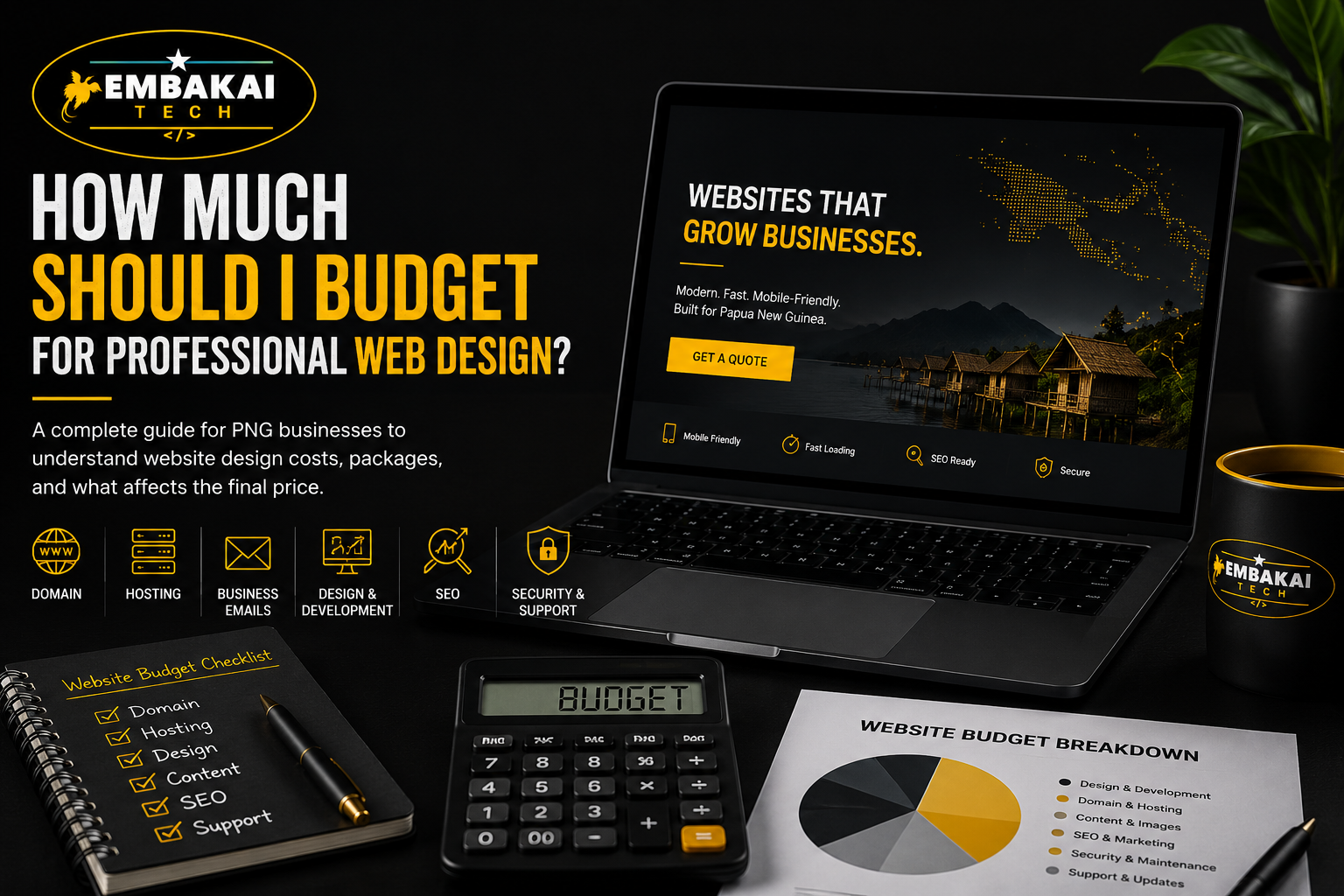
One of the first questions business owners ask before building a website is simple: how much should I budget for professional web design?
The honest answer is this: it depends on what you want the website to do.
A simple business website will not cost the same as an online store. A five-page company profile website will not cost the same as a custom booking system, customer portal, inventory dashboard, or payment-enabled e-commerce platform. The final cost depends on design quality, number of pages, content, hosting, business emails, security, SEO, admin features, maintenance, and ongoing support.
For SMEs in Papua New Guinea, budgeting for a website should not be treated as just buying a design. A professional website is a business tool. It helps customers find you, trust you, understand your services, contact you, request quotes, place orders, or take action.
If you only look for the cheapest price, you may end up with a website that looks basic, loads slowly, has no proper mobile layout, no SEO setup, no security, no backups, and no support after launch. That can cost your business more later.
This guide explains what PNG businesses should consider when setting a realistic budget for professional web design.
Website design pricing varies because every business has different needs.
Some businesses only need a small online presence. Others need a website that supports sales, bookings, registrations, payments, applications, staff workflows, or customer accounts.
For example, a local SME may need:
That type of website is usually more affordable because it is mainly informational.
But an e-commerce business may need:
That requires more planning, design, development, testing, and support.
A custom web system may cost even more because it involves unique business logic. This can include dashboards, file uploads, user roles, approval workflows, reports, invoices, subscriptions, booking calendars, or API integrations.
So before asking, “How much is a website?” the better question is:
What kind of website does my business actually need?
A professional website budget is usually affected by several key factors.
The more pages your website needs, the more time it takes to design, write, structure, and optimise the content.
A small website may have five pages:
A larger website may need separate pages for each service, team members, FAQs, blog posts, pricing, testimonials, gallery, careers, policies, and landing pages.
More pages can improve your online presence, but they also require more work.
The type of website has a major impact on pricing.
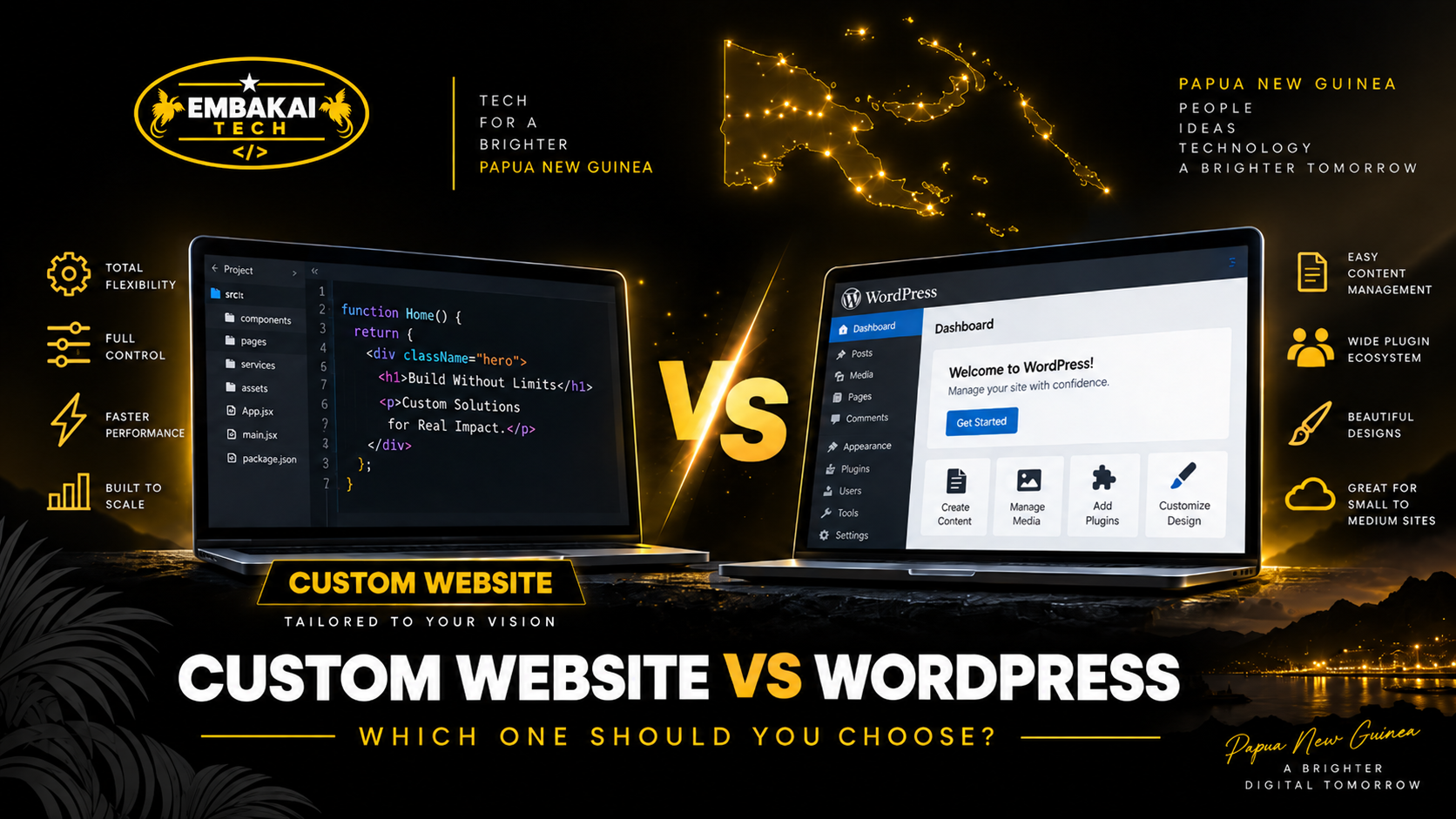
A basic business website is usually the most affordable. A WordPress website may be suitable for businesses that want easy content updates. A custom Laravel or Django website may be better for businesses that need special dashboards or advanced functions. An e-commerce website usually costs more because it includes products, payments, orders, security, and customer management.
A website with only information is cheaper than a website that performs business operations.
Professional design is not just about making a website look nice. Good design helps visitors understand your business quickly.
A strong website design includes proper layout, readable text, consistent colours, good spacing, clear buttons, mobile-friendly sections, strong visual hierarchy, and a clean user experience.
Cheap websites often fail here. They may use crowded layouts, poor colour choices, low-quality images, and confusing navigation. That can make your business look less trustworthy.
Professional design takes time because the developer or designer must think about how real users will interact with your website.
In Papua New Guinea, many customers browse from mobile phones. That means your website must work properly on small screens.
Mobile-friendly design includes readable text, tap-friendly buttons, responsive images, smooth menus, fast loading, and clear contact options.
A website that looks good only on desktop is not enough. Your budget should include proper mobile optimisation.
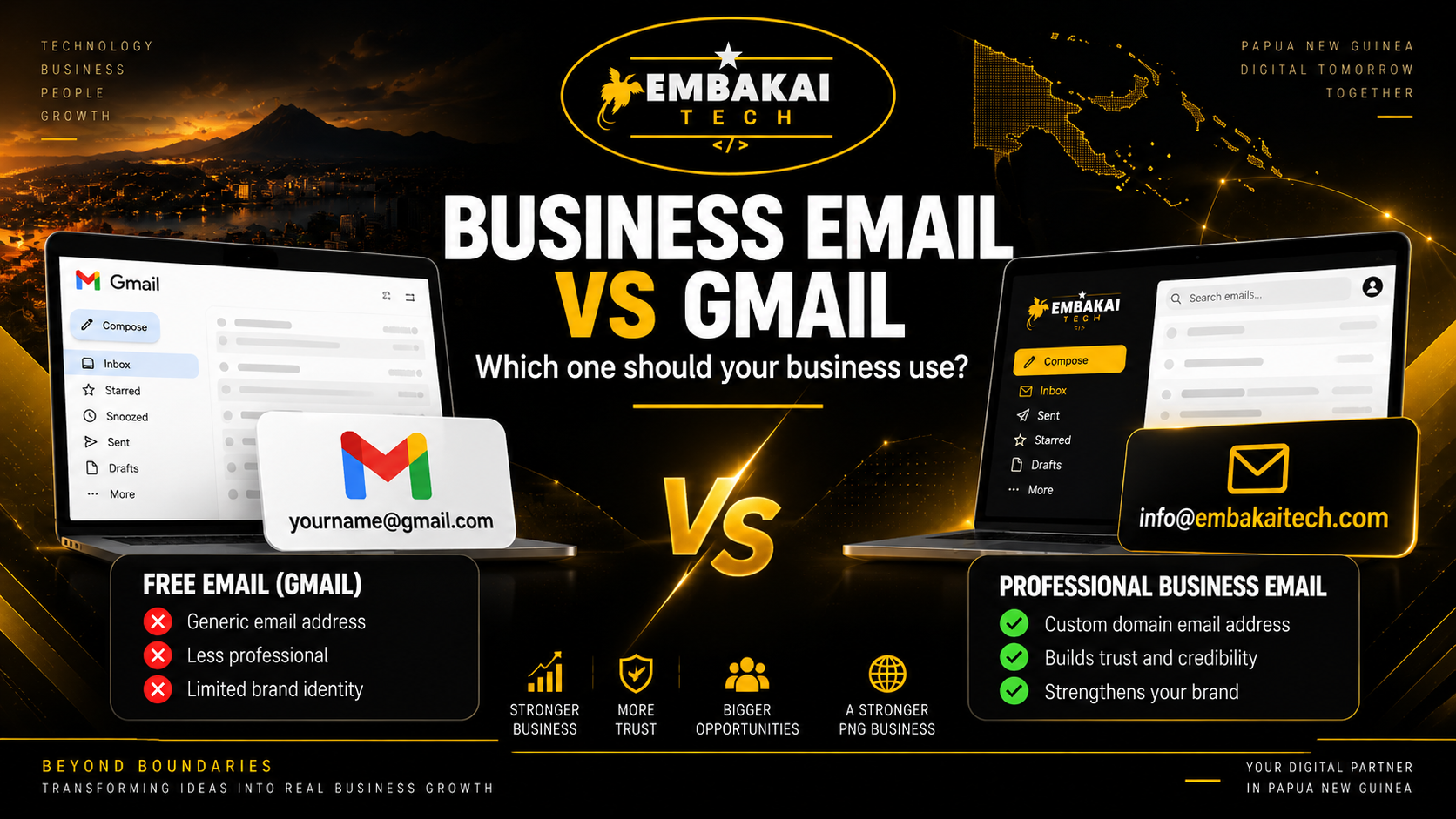
A website needs more than design. It needs a domain name, hosting, and usually business email addresses.
Your domain is your website address, such as yourbusiness.com. Hosting is where your website files are stored. Business emails are professional email accounts such as [email protected] or [email protected].
Some developers include these in their package. Others charge separately.
When comparing prices, always ask whether domain, hosting, SSL, and business emails are included.
A cheap quote may look attractive, but if domain, hosting, email, security, and support are excluded, your final cost may increase.
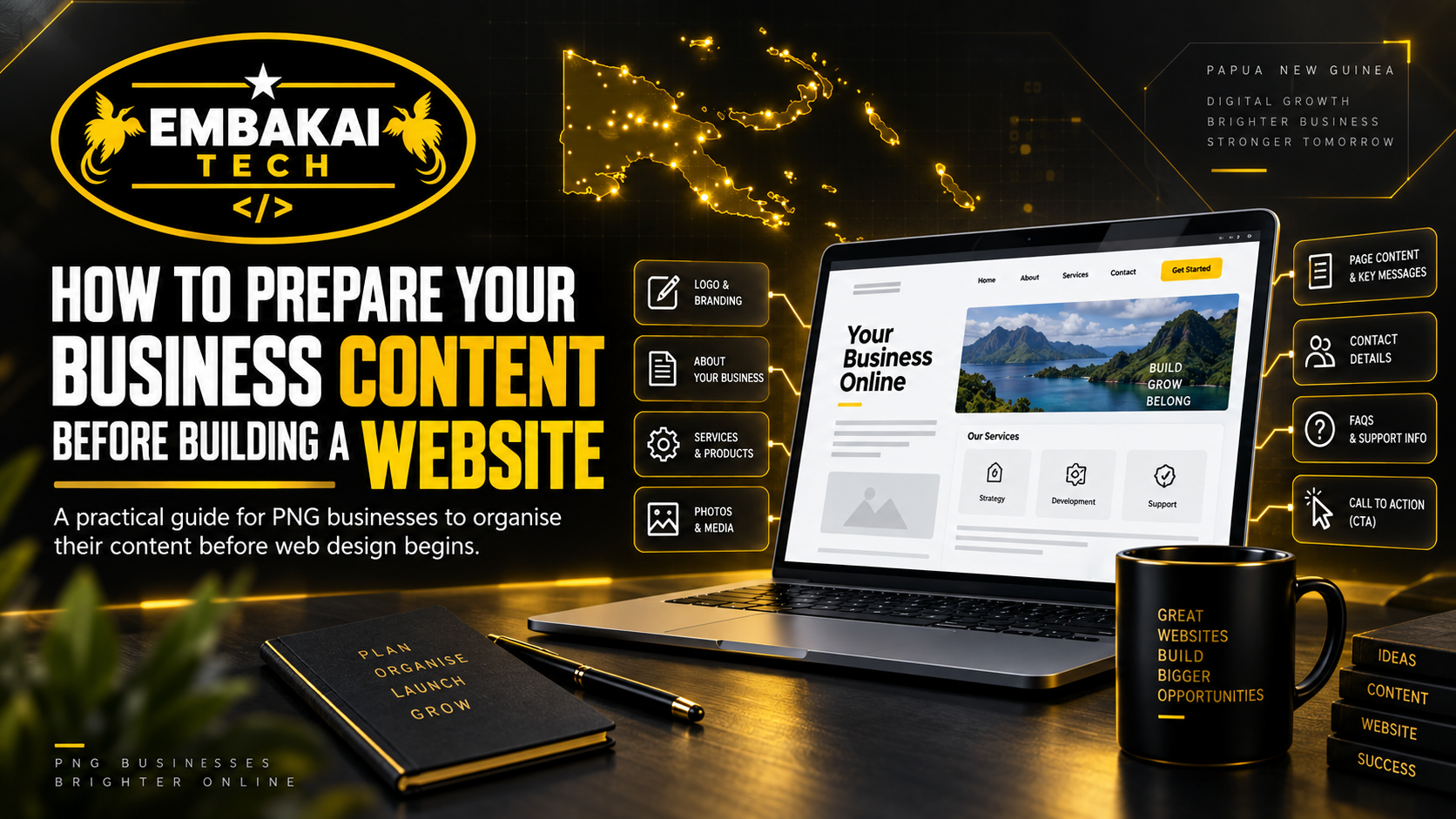
Content is one of the most underestimated parts of a website project.
A website needs clear words that explain who you are, what you do, who you serve, why people should trust you, and how they can contact you.
If you already have a company profile, service descriptions, photos, testimonials, and contact details ready, the project can move faster.
If the developer has to help write or restructure your content, that may affect the cost.
Good content matters because customers do not only judge your website by design. They judge your business by how clearly you communicate.
Search Engine Optimization helps your website become easier to find on Google.
Basic SEO may include page titles, meta descriptions, heading structure, image alt text, clean URLs, sitemap, internal linking, mobile-friendly layout, and fast loading pages.
Advanced SEO may include keyword research, blog strategy, local SEO, Google Business Profile support, technical audits, schema markup, and ongoing content publishing.
If you want your website to attract traffic from Google, SEO should be part of your budget.
A website without SEO is like printing a business profile and hiding it in a drawer.
Every professional website should include basic security.
This can include SSL certificate, secure hosting, strong admin access, spam protection, firewall rules, software updates, malware prevention, and regular backups.
Security is more important for websites with forms, admin dashboards, customer accounts, payment integration, or file uploads.
Backups are also important. If your website breaks, gets hacked, or loses data, a backup can save your business.
Never treat security and backups as optional extras. They are part of responsible website ownership.
Some websites are static, meaning the developer must update content manually. Others include an admin dashboard where the business owner can update pages, products, images, blog posts, or enquiries.
An admin dashboard adds value, but it also adds development work.
If you want to manage your own website content, ask whether the package includes a content management system or custom admin panel.
A website needs ongoing care after launch.
You may need help with updates, backups, content changes, email issues, hosting problems, SSL renewal, security monitoring, plugin updates, design changes, or new pages.
Some website packages include annual support. Others charge separately for maintenance.
Before choosing a developer, ask what happens after the website goes live.
A website should not be abandoned after launch.
The exact cost depends on the developer, project size, features, and support package. But as a general planning guide, most SMEs can think in budget levels.
A starter website is suitable for small businesses that need a basic online presence.
This may include a few pages, mobile-friendly design, contact form, WhatsApp button, Google Maps, basic SEO, domain, hosting, and business email.
This is ideal for freelancers, consultants, small trade businesses, startups, local service providers, and SMEs that want to look professional online without needing advanced features.
A starter budget is best when your main goal is visibility and credibility.
A professional business website is suitable for SMEs that want a stronger online presence.
This may include more pages, better design, service landing pages, testimonials, blog setup, enquiry forms, business emails, image optimisation, stronger SEO structure, social media links, analytics, and ongoing support.
This is ideal for businesses that want to generate leads, explain services properly, and compete better online.
A professional website should not just say who you are. It should guide visitors toward action.
An e-commerce website costs more because it involves online selling.
This may include product pages, shopping cart, checkout, customer accounts, payment integration, order emails, delivery options, stock management, product categories, coupons, reports, and admin management.
If your business wants to sell products online, your budget must include setup, testing, payment configuration, and security.
E-commerce websites need more support because product listings, payments, orders, and customer communication must work correctly.
A custom web system is for businesses that need more than a normal website.
This may include booking systems, client portals, staff dashboards, reporting tools, inventory systems, application forms, approval workflows, payment records, document uploads, user roles, or API integrations.
Custom systems cost more because they require planning, database design, user experience design, backend development, testing, security, and long-term support.
If the website will help run your business operations, treat it as a business system, not a simple website.
When you budget for professional web design, make sure you are not only paying for the homepage.
A proper website budget should consider:
If a quote does not mention these items, ask for clarification.
A professional developer should be able to explain what is included and what is not included.
Many business owners only budget for the website design and forget the ongoing costs.
Here are common hidden or overlooked costs.
Your domain name must be renewed. If it expires, your website and emails may stop working. In serious cases, someone else may register the domain after it becomes available.
Your website needs hosting every year or every month depending on your provider. Poor hosting can affect website speed, uptime, and security.
If you use professional business emails, those email accounts may have storage limits, renewal costs, or support requirements.
If you need new pages, new photos, service changes, pricing changes, or blog uploads, this may require support.
Websites need updates and monitoring. WordPress websites especially need plugin, theme, and core updates. Custom websites also need server and framework maintenance.
Building a website is only the first step. If you want traffic, you may need ongoing SEO, blog writing, Google Business Profile updates, social media promotion, and ads.
As your business grows, your website may need new features, improved design, or better systems.
The cheapest website today can become expensive tomorrow if it was not built properly.
A low-cost website is not always bad. Some simple websites can be affordable and still professional. The problem is when cheap pricing removes the important parts.
A risky cheap website may have:
This can hurt your business image.
A website is often the first impression customers get before contacting you. If your website looks unprofessional, customers may assume your business is also unprofessional.
The goal is not to buy the cheapest website. The goal is to invest in a website that gives your business value.
To decide your website budget, start with your business goal.
If you only need people to find your business and contact you, a starter website may be enough.
If you want to generate serious leads, publish content, show projects, and build trust, budget for a professional business website.
If you want to sell online, budget for e-commerce.
If you want the website to manage business operations, budget for a custom web system.
Ask yourself:
What problem should this website solve?
How important is the website to my business growth?
Do I need online payments?
Do I need an admin dashboard?
Will customers use the website often?
Do I need SEO and Google visibility?
Do I need ongoing support?
Can the website grow with my business?
Your budget should match the value you expect from the website.
Before accepting a website quote, ask these questions:
What exactly is included?
How many pages are included?
Is the domain included?
Is hosting included?
Are business emails included?
Is SSL included?
Is mobile-friendly design included?
Is SEO included?
Will I get admin access?
Can I update content myself?
Are backups included?
What security measures are included?
How many revisions are included?
How long will the project take?
What happens after launch?
What is the renewal cost?
Who owns the domain and website files?
These questions help you avoid confusion and protect your business.
A professional website should not be seen as a simple expense. It is part of your business infrastructure.
A good website can help your business:
For PNG SMEs, a website can also help customers outside your immediate location discover your business. Whether you are in Port Moresby, Lae, Mt Hagen, Goroka, Kokopo, Madang, or serving clients nationwide, your website gives your business a professional digital presence.
A Facebook page is useful, but it should not be your only online identity. A website gives your business more control, stronger credibility, and better structure.
So, how much should you budget for professional web design?
Budget based on what your business needs, not just the lowest available price.
A simple business website needs a smaller budget. A professional SME website needs more planning and better structure. An e-commerce website requires more features and testing. A custom web system requires serious development and long-term support.
The most important thing is to know what is included before you pay.
A professional website should include mobile-friendly design, clear content, domain and hosting setup, business email, security, backups, SEO foundation, and support after launch.
Your website represents your business online. Make sure it is built properly from the start.
Contact Embakai Tech Solutions for a focused review, implementation plan or quote for your organisation in Papua New Guinea.