Hiring someone to build your business website sounds simple until you start asking the real questions. How much should it cost? What should be included? Do you need a designer, a developer, or a full digital agency? Should you use WordPress, Laravel, Shopify, or a custom system? Who will handle the domain, hosting, business emails, security, updates, backups, and Google visibility after the site is live?
For many small and medium businesses in Papua New Guinea, a website is no longer just a nice extra. It is now part of your business identity. Customers use Google, Facebook, WhatsApp, and online searches to check whether a business is real, professional, and trustworthy. Before someone calls you, visits your office, requests a quote, or places an order, they may first look for your website.
That is why choosing the right website developer matters.
A poorly built website can make your business look unprofessional, load slowly on mobile networks, fail to appear properly on Google, or become difficult to update later. A good website, on the other hand, can work like your digital front office. It can explain your services, show your products, capture leads, display reviews, answer customer questions, and help people contact you quickly.
This guide explains what SMEs, startups, organizations, and service providers in Papua New Guinea should know before hiring a website developer.
Before hiring a developer, be clear about the purpose of your website. Many businesses make the mistake of saying, “I just need a website,” without knowing what the website must do.
A business website can serve different purposes. It can be used to showcase company information, generate leads, sell products, take bookings, publish news, manage customer accounts, receive applications, collect donations, display portfolios, or support internal operations.
For example, a small trade business may only need a five-page website with services, contact details, WhatsApp integration, Google Maps, and a quote request form. An online shop may need product listings, customer accounts, order management, payment gateway integration, delivery settings, and stock management. A training organisation may need course pages, registration forms, downloadable documents, testimonials, and certificate verification.
The type of website you need affects the price, development time, platform, hosting setup, and long-term maintenance.
Before speaking to a developer, write down the main goal of your website. Ask yourself:
What should visitors do when they land on the website?
Should they call, message, order, register, book, download, apply, or request a quote?
Do I need to update the website myself?
Do I need an admin dashboard?
Will I accept online payments?
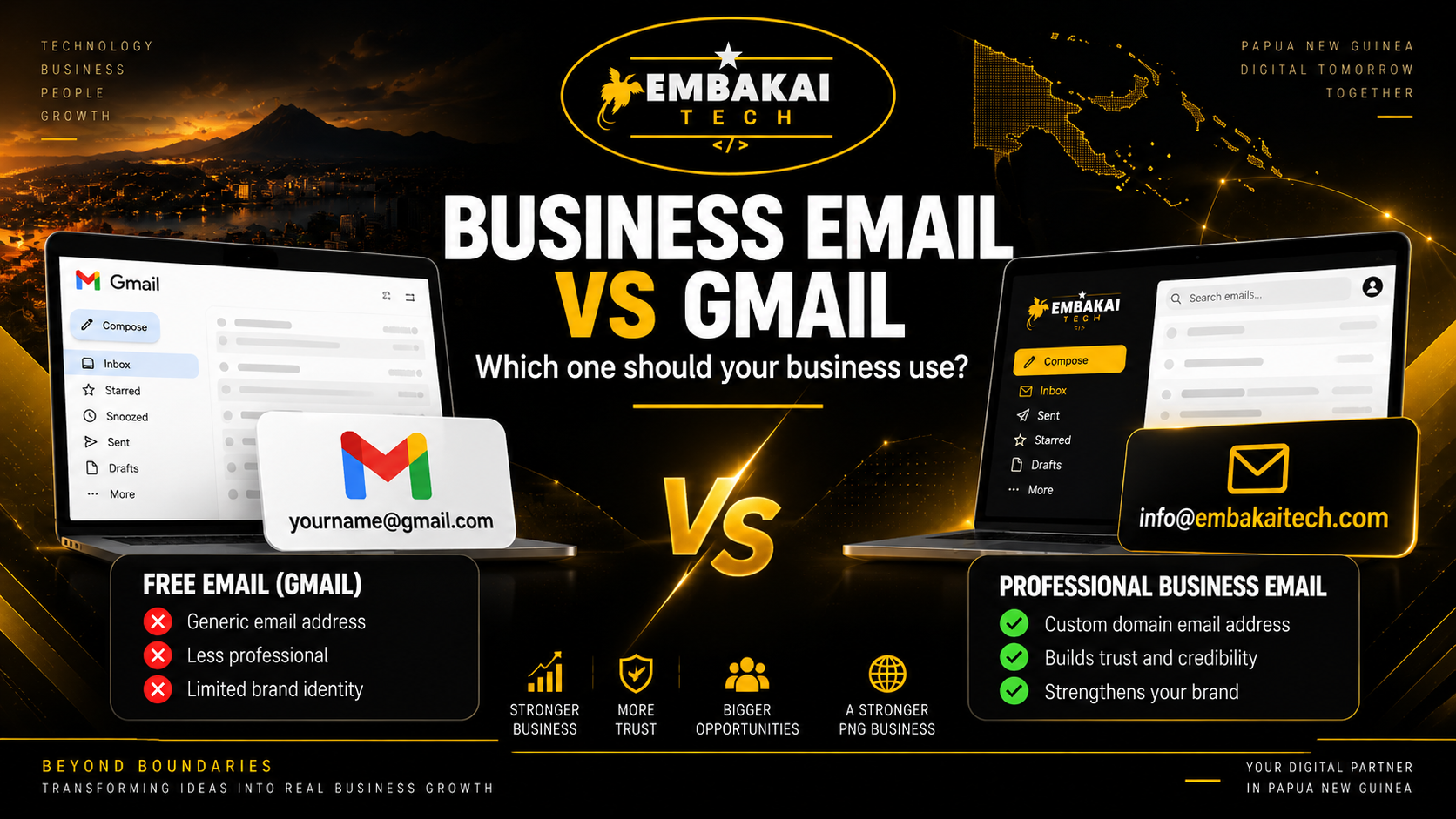
Do I need business emails?
Do I need the website to connect with other systems?
When you know your goal, it becomes easier for the developer to recommend the right solution instead of giving you a generic website package.
Many business owners use “web designer” and “web developer” as if they mean the same thing. They are related, but they are not always the same.
A web designer focuses on how the website looks and feels. This includes layout, colours, fonts, spacing, branding, images, user interface, and visual presentation. A good designer makes sure the website looks clean, professional, and easy to understand.
A web developer focuses on how the website works. This includes coding, database setup, forms, admin dashboards, login systems, payment integration, hosting configuration, speed optimisation, security, and backend functionality.
Some professionals can do both. Some agencies have separate people for each role. If your website is simple, one skilled full-stack developer may be enough. If your project is larger, you may need a team that can handle branding, UI/UX design, frontend development, backend development, hosting, cybersecurity, SEO, and ongoing support.
For PNG businesses, the important thing is not the job title. The important thing is whether the person or company can deliver a complete working solution.
A good website is not just a beautiful homepage. It must load fast, work on mobile phones, be easy to update, display correctly on different screen sizes, protect customer data, send emails properly, and give visitors a clear path to contact your business.
Before paying anyone, ask to see examples of websites they have built. A portfolio gives you a better idea of their skill level, design style, technical ability, and experience with real businesses.
When checking a portfolio, do not only look at screenshots. Open the actual websites if possible. Test them on your phone. Check how fast they load. Click the menu. Submit a form if it is safe to do so. See whether the content is clear. Look at whether the website feels professional.
Pay close attention to mobile view because many customers in PNG browse mostly from smartphones. If a website looks good on desktop but messy on mobile, that is a warning sign.
Also check whether the developer has worked with businesses similar to yours. A developer who understands local SMEs, government organisations, training providers, online shops, churches, contractors, consultants, and service-based companies will better understand the PNG market.
A strong portfolio should show more than design. It should show practical business outcomes: contact forms, quote buttons, service pages, online store features, admin panels, SEO structure, Google Maps, social media links, and clear calls to action.
One of the biggest mistakes business owners make is assuming everything is included. A website project can involve many parts, and not every developer includes the same services.
Before you pay, ask for a clear list of deliverables.
A proper business website package may include domain registration, hosting, SSL certificate, business emails, homepage design, service pages, contact page, Google Maps integration, WhatsApp button, enquiry form, image optimisation, mobile responsiveness, basic SEO setup, security configuration, admin dashboard, backups, training, and post-launch support.
Some developers only design the website and leave you to handle hosting, domain, emails, and maintenance separately. Others provide a complete package.
Neither approach is wrong, but you must know what you are paying for.
Ask these questions before starting:
Is the domain included?
Is hosting included?
How many pages are included?
Are business emails included?
Will the website have SSL security?
Will the website work properly on mobile?
Will I get an admin dashboard?
Can I update the content myself?
Is basic SEO included?
Are backups included?
Who handles technical issues after launch?
What happens when the yearly renewal is due?
A clear package protects both the business owner and the developer. It prevents confusion, delays, and unexpected costs.
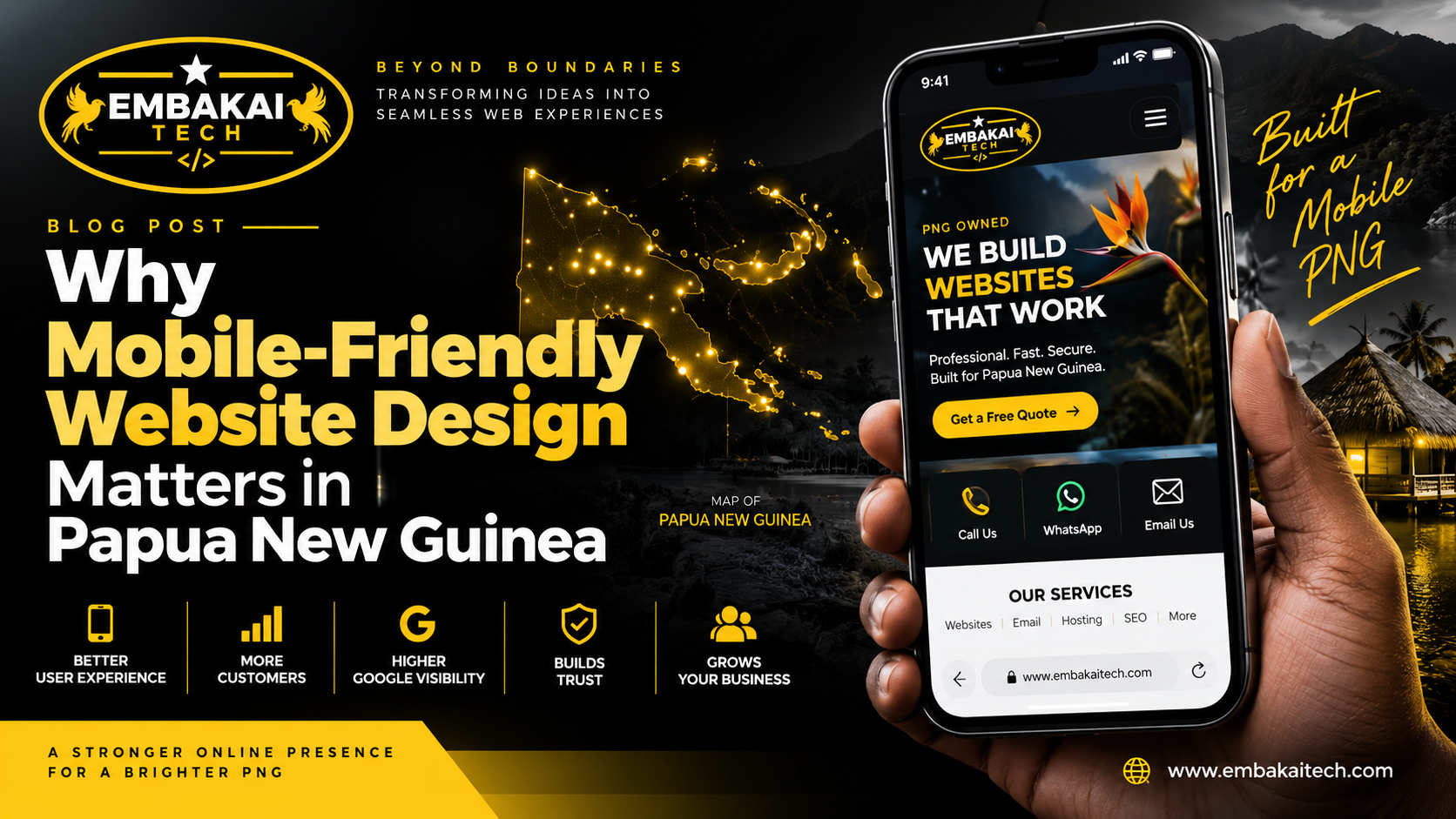
A mobile-friendly website is not optional anymore. In Papua New Guinea, many people access the internet using mobile phones. Some users may also be on limited data, slower connections, or older devices. If your website is heavy, slow, or hard to use on a phone, you will lose potential customers.
Mobile-friendly design means the website adjusts properly to different screen sizes. Text must be readable without zooming. Buttons must be easy to tap. Images must resize correctly. Menus must work smoothly. Forms must be simple to fill out. Contact buttons should be visible.
A good PNG business website should make it easy for users to call, WhatsApp, email, or request a quote directly from their phone.
Mobile design also affects trust. If a customer opens your website and sees broken sections, tiny text, overlapping buttons, or slow loading pages, they may assume your business is not professional.
Before hiring a developer, ask them how they handle mobile responsiveness. Also ask whether they test the website on different screen sizes before launch.
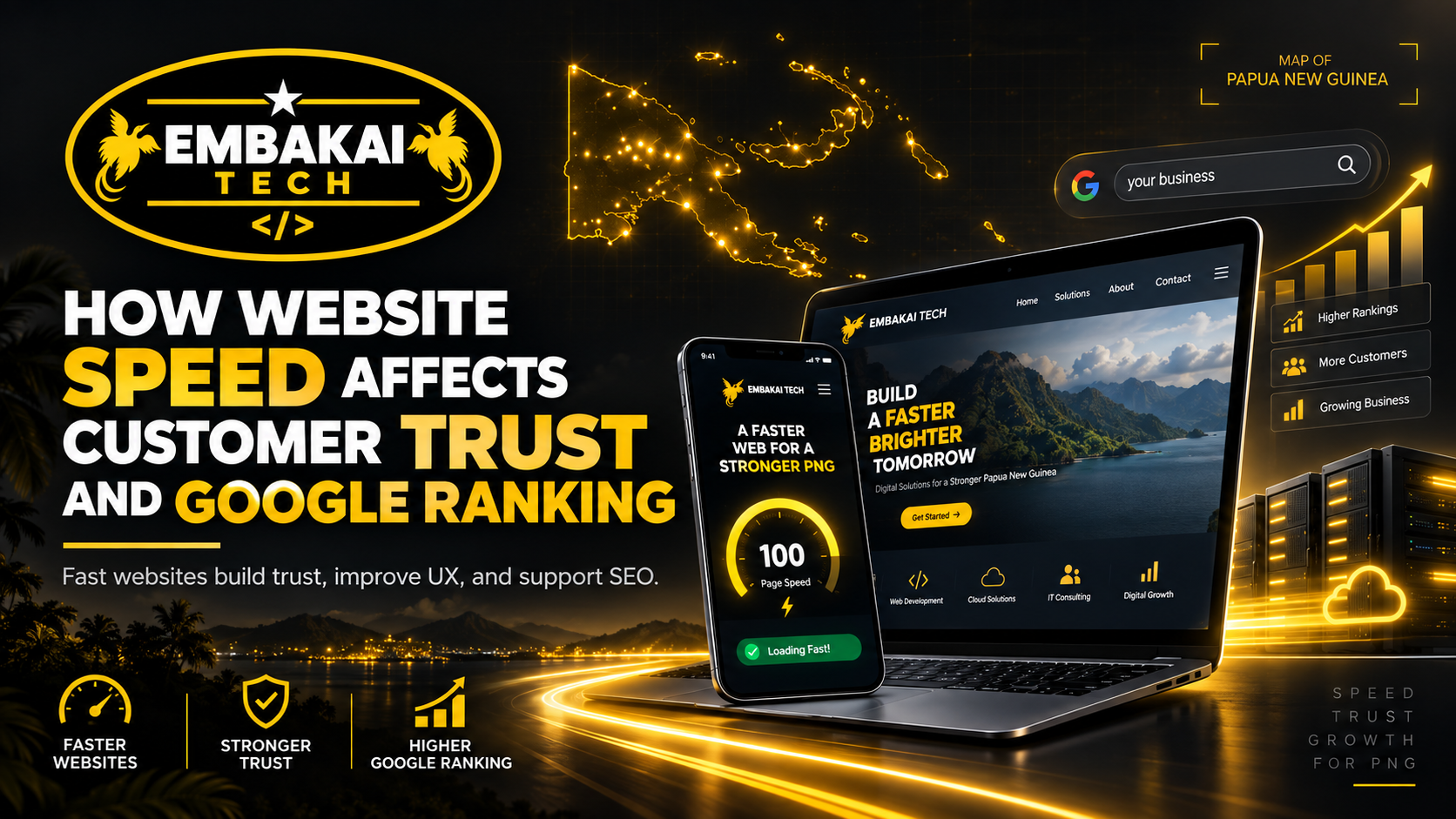
Website speed is critical. A beautiful website is useless if it takes too long to load.
PNG businesses must think seriously about loading speed because not every user has fast internet. Some customers may use mobile data, unstable connections, or budget devices. If your website loads slowly, many visitors will leave before they even read your content.
A skilled developer should know how to optimise images, reduce unnecessary scripts, configure caching, use efficient code, set up proper hosting, and avoid bloated designs.
Common causes of slow websites include oversized images, cheap overloaded hosting, too many plugins, poor coding, uncompressed files, heavy animations, and badly configured themes.
Ask your developer whether speed optimisation is included. A professional website should be built for performance from the start, not fixed later after customers complain.
A fast website gives users a better experience and can also support better search visibility.
Search Engine Optimization, or SEO, helps your website appear on Google when people search for your services. SEO is not magic, and it does not mean your website will rank number one overnight. But your website should be built with a proper SEO foundation.
Basic SEO setup includes clean page titles, meta descriptions, proper headings, readable URLs, image alt text, internal links, mobile-friendly structure, fast loading pages, sitemap, and search engine indexing.
For PNG businesses, local SEO is very important. Your website should clearly mention your services, location, service areas, contact details, and business category. If your business serves Port Moresby, Lae, Mt Hagen, Goroka, Kokopo, Madang, or all of PNG, your content should make that clear.
A good developer should not only build pages. They should structure those pages in a way that helps Google understand your business.
For example, instead of having one page that says “Services,” it may be better to have separate pages for each major service. This makes your website more specific and easier to rank for different search terms.
Before hiring a developer, ask whether they include basic SEO setup and whether they can advise you on content structure.
Website security is often ignored until something goes wrong. A hacked website can damage your reputation, expose customer data, redirect visitors to spam pages, or get your domain blacklisted.
Every business website should have basic security in place. This includes SSL certificate, secure hosting, strong admin passwords, regular updates, firewall protection where possible, spam protection, malware monitoring, and proper file permissions.
Backups are just as important. If your website breaks, gets hacked, or is accidentally deleted, a backup can save your business from serious disruption.
Ask your developer:
Will the website have SSL?
Will you configure security settings?
How often will backups be done?
Where are backups stored?
What happens if the website is hacked?
Who is responsible for updates?
For WordPress websites, plugin and theme updates matter. For custom websites, server security, framework updates, and code maintenance matter. For e-commerce websites, security becomes even more important because customer accounts and payment-related processes may be involved.
A cheap website with poor security can become expensive later.
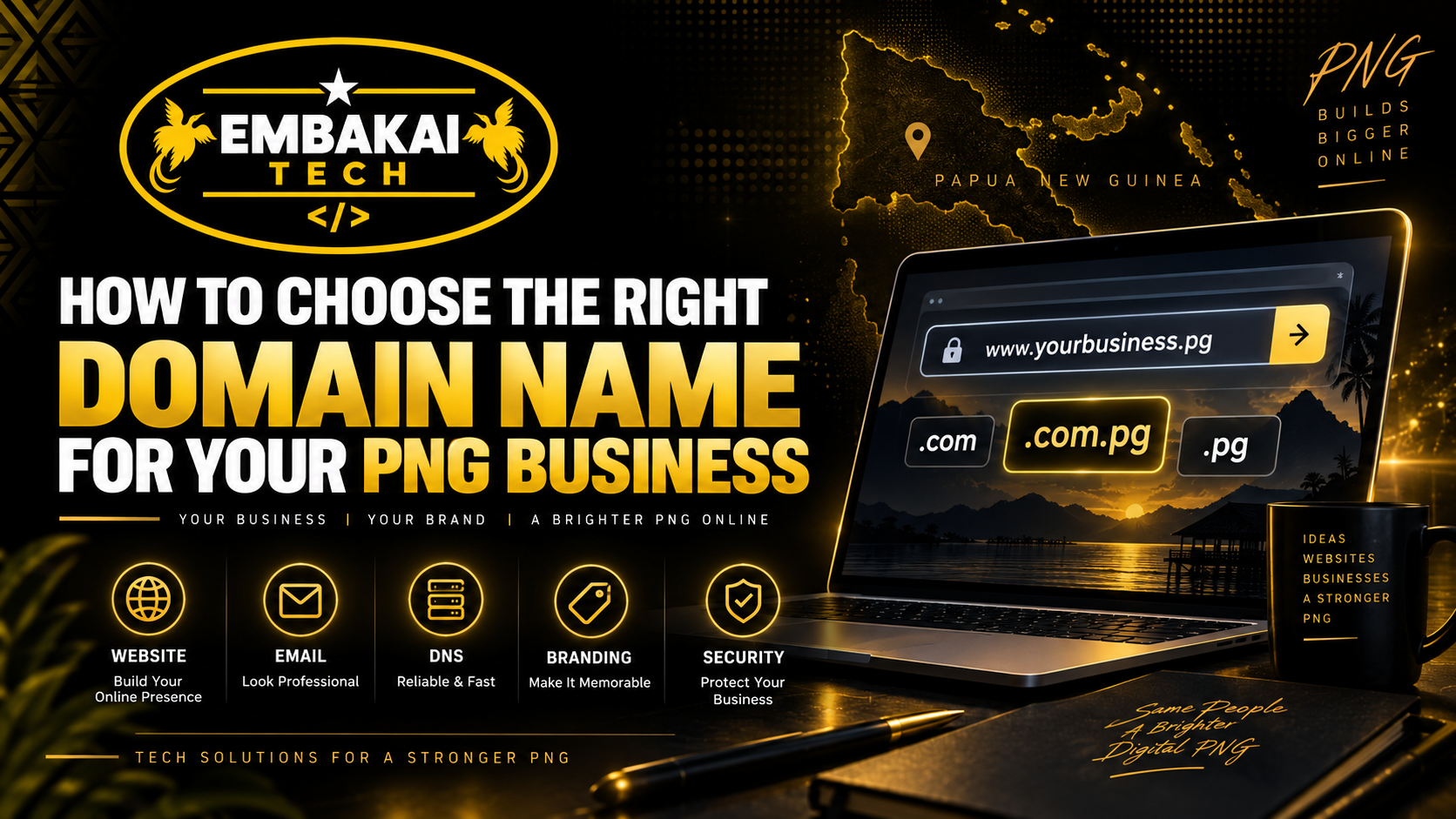
Before hiring a website developer, clarify who owns the domain, hosting account, website files, design, content, and admin access.
Your domain name is your digital property. If possible, it should be registered under your business name or under an arrangement that clearly protects your ownership. The same applies to website access and business emails.
Some business owners only realise later that they do not control their own domain or hosting. This becomes a problem when they want to move to another provider, change email settings, renew the domain, or upgrade their website.
Ask your developer how ownership works. Ask whether you will receive admin access, hosting access, or domain access. If the developer manages everything for you, make sure the agreement clearly states what happens if you stop using their service.
A professional developer should be transparent about ownership, access, renewals, and handover conditions.
A proper website project should have clear payment terms and timeline expectations.
Some projects are paid upfront. Some are split into deposit and final payment. Larger projects may use milestones. The best structure depends on the size and complexity of the work.
Avoid vague arrangements. Make sure you understand what happens after payment, when the first draft will be shown, how many revisions are included, when content must be provided, and when the website will go live.
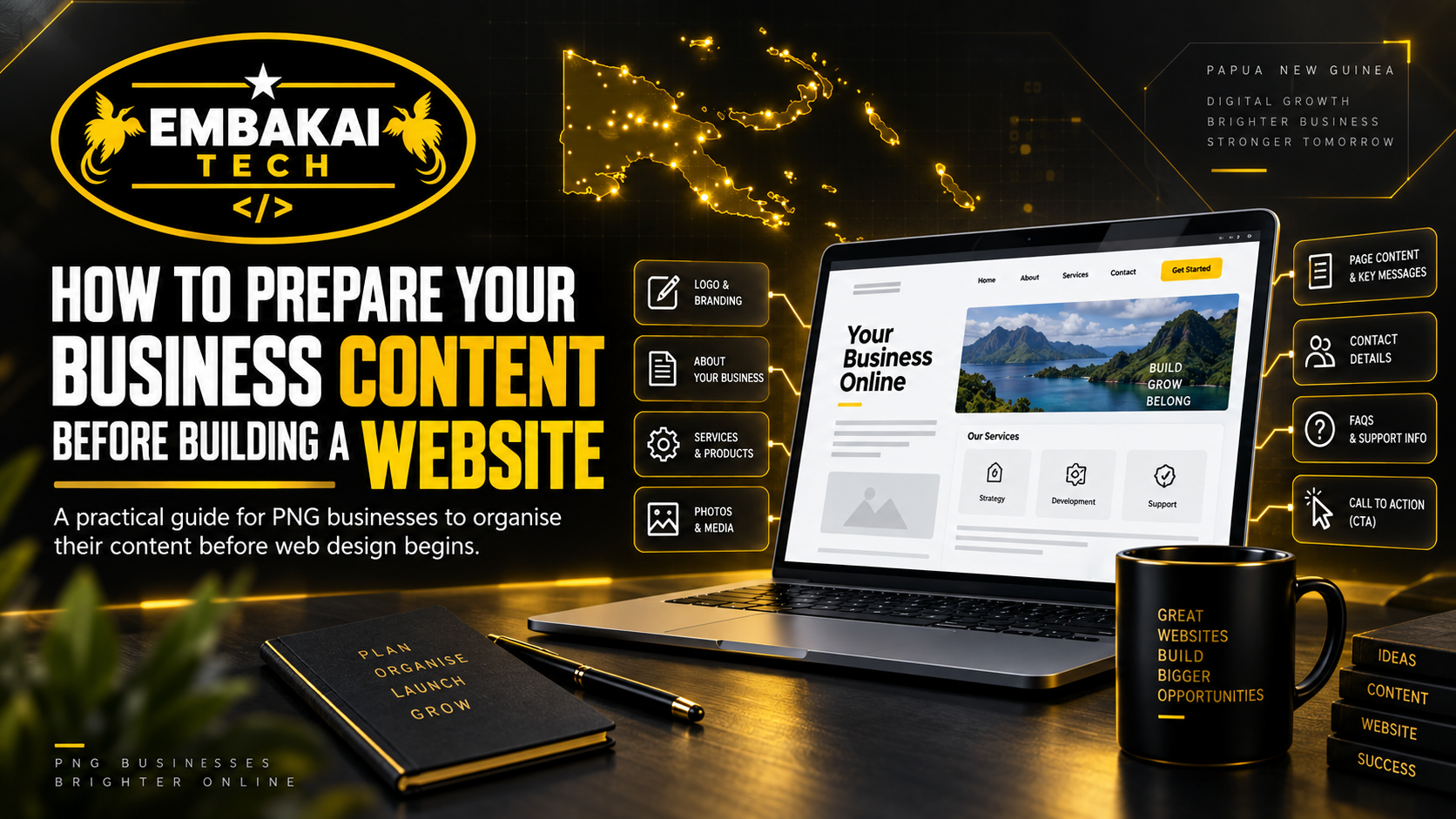
A delay in website projects often happens because the business owner does not provide content on time. Your developer may need your logo, company profile, service descriptions, photos, contact details, team information, pricing, testimonials, and policy documents.
To avoid delays, prepare your content early.
A simple business website may take a short time if all content is ready. A larger custom website, e-commerce system, booking platform, or admin dashboard will take longer because it requires planning, development, testing, and revisions.
Ask for a realistic timeline, not an empty promise.
Technical skill is important, but communication is just as important.
A good website developer should explain things clearly, ask the right questions, give practical advice, and keep you updated during the project. They should not confuse you with unnecessary technical language, but they should also be able to explain technical decisions when needed.
Poor communication can create problems. You may end up with a website that does not match your expectations, missing features, unclear costs, or delays.
Before hiring a developer, pay attention to how they respond. Do they understand your business? Do they ask about your goals? Do they explain what is included? Do they give structured answers? Do they provide examples? Do they sound professional?
Your website is a business asset. You need someone who treats it seriously.
Price matters, especially for SMEs. But choosing the cheapest option can cost more in the long run.
A very cheap website may look attractive at first, but it may come with hidden problems. It may use poor hosting, copied templates, no security, no SEO setup, no proper mobile testing, no backups, no support, or no admin access. Later, you may need to pay someone else to fix or rebuild it.
That does not mean every business needs an expensive website. The right approach is to choose value, not just price.
Ask what you are getting for the price. A professional package should clearly explain the deliverables, support, renewal cost, and long-term maintenance.
For a small business, a simple but well-built website is better than a complicated website that is poorly managed.
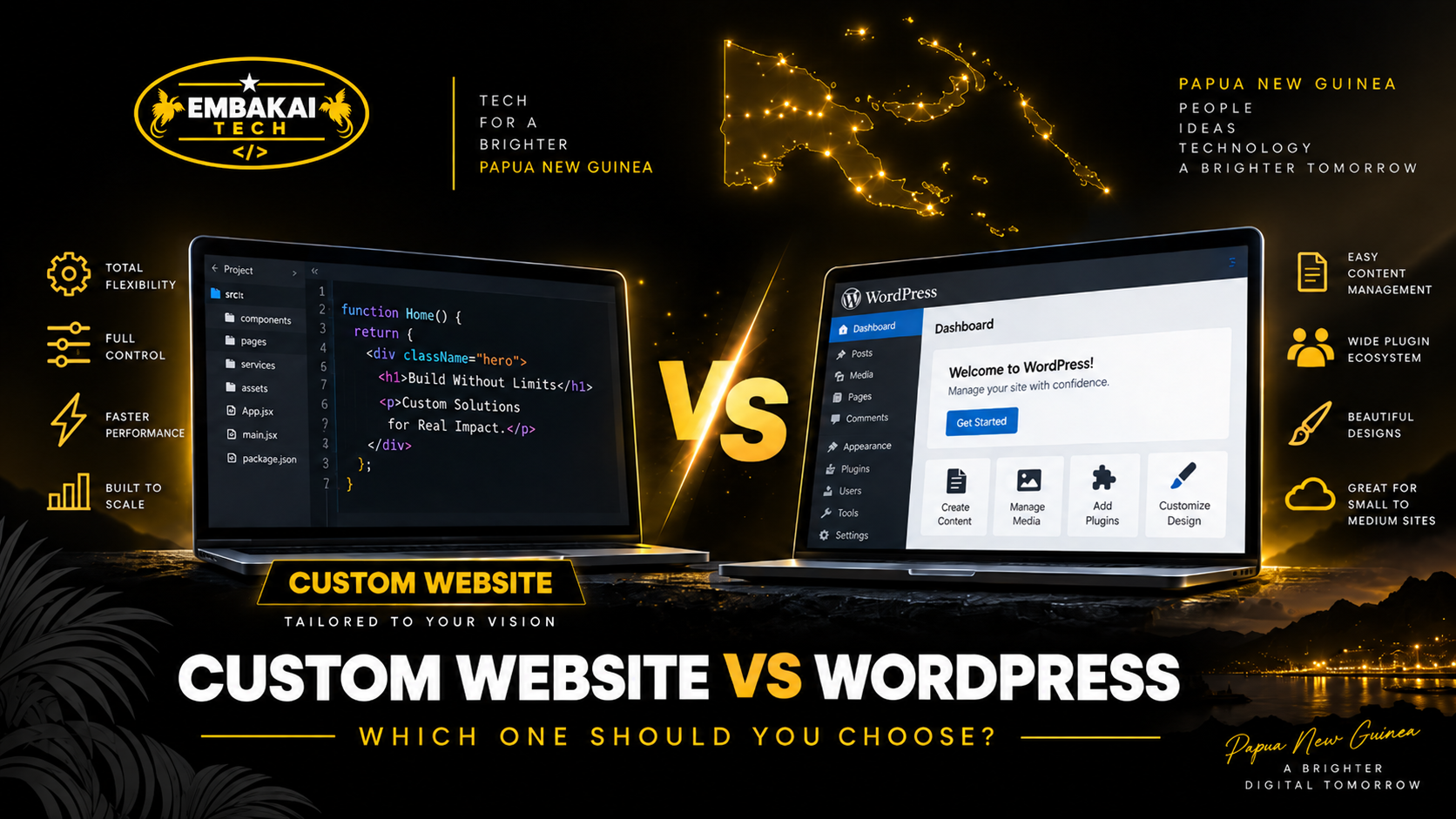
Not every business needs a custom-coded website. Sometimes WordPress or another CMS is enough. But some businesses need custom development.
You may need a custom website or web application if you require special workflows, user accounts, dashboards, file uploads, payment integrations, reporting, inventory management, booking systems, customer portals, staff roles, API connections, or unique business logic.
A normal website mainly displays information. A custom web system helps run part of your business.
For example, if you want customers to log in, upload documents, track orders, receive invoices, manage subscriptions, or interact with your internal team, you may need more than a basic website.
Before hiring a developer, explain your long-term vision. Even if you start with a simple website, the developer can structure it in a way that allows future upgrades.
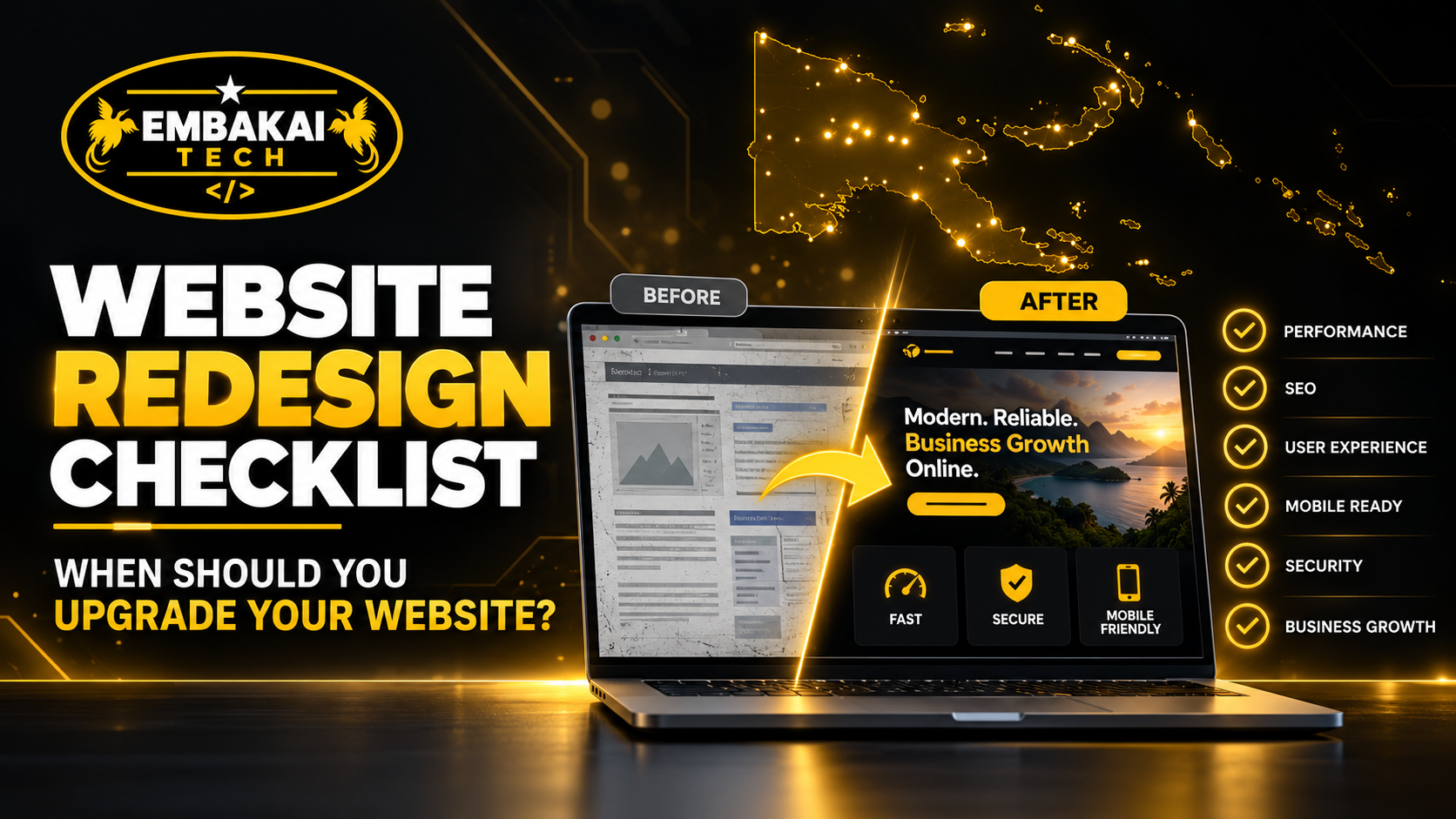
Launching the website is not the end. After launch, your website still needs monitoring, updates, backups, content changes, email support, security checks, and occasional improvements.
Some developers disappear after launch. Others provide ongoing maintenance.
Ask what happens after the website goes live. Is there free support for a limited period? Is there an annual maintenance package? How do you request changes? How quickly will technical issues be handled? What is included in the renewal fee?
For business owners, post-launch support is very important because you may not have the technical skills to fix errors, update plugins, manage hosting, or troubleshoot email issues.
A website should not be abandoned after launch. It should be maintained like any other business asset.
A developer can build the website structure, but you must provide accurate business information. Many website projects delay because the client has not prepared content.
Before starting, prepare your business name, logo, contact number, email address, location, service list, product list, company profile, about section, photos, testimonials, pricing if needed, FAQs, social media links, and legal pages if required.
If you do not have professional content, ask whether the developer can help with copywriting, editing, image selection, or content structure.
Good content makes the website stronger. Clear service descriptions help customers understand what you offer. Good photos build trust. Strong calls to action guide visitors to contact you.
A website is not just design. The words, images, and structure matter.
When hiring a website developer, watch for warning signs.
Be careful if someone cannot show past work, refuses to explain what is included, gives a price without asking questions, promises unrealistic results, has no clear payment terms, avoids talking about hosting and domain ownership, does not mention mobile design, ignores security, or cannot explain post-launch support.
Also be careful with developers who only focus on making the website look nice but do not talk about performance, SEO, user experience, forms, backups, and business goals.
A professional developer should be able to explain their process clearly.
Hiring a website developer in Papua New Guinea is an important business decision. Your website can either support your growth or hold your business back.
Before hiring anyone, understand your goal, check their portfolio, ask what is included, confirm mobile-friendly design, discuss speed, SEO, security, backups, ownership, payment terms, timeline, and post-launch support.
A good website should not just look professional. It should help your business communicate clearly, build trust, attract customers, and make it easy for people to contact you.
For SMEs, startups, organisations, and service providers in PNG, a well-built website is one of the smartest digital investments you can make. It gives your business a professional online presence, supports your marketing, and helps customers find you when they need your services.
If your business is ready to build or upgrade its website, work with a developer who understands both technology and the local PNG business environment. The right developer will not just build pages. They will help you create a digital platform that supports your business growth.
Contact Embakai Tech Solutions for a focused review, implementation plan or quote for your organisation in Papua New Guinea.